Marko Batista
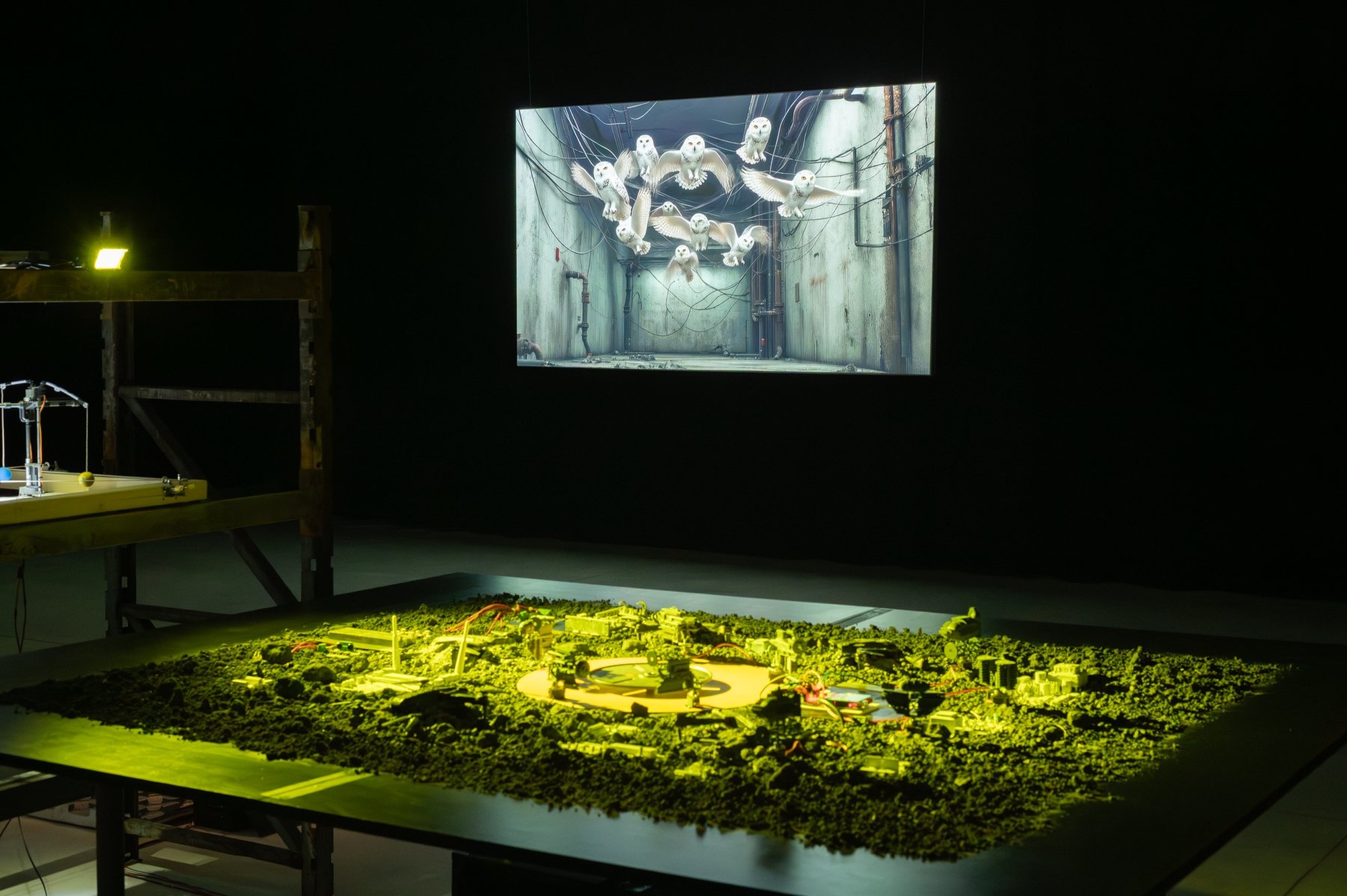
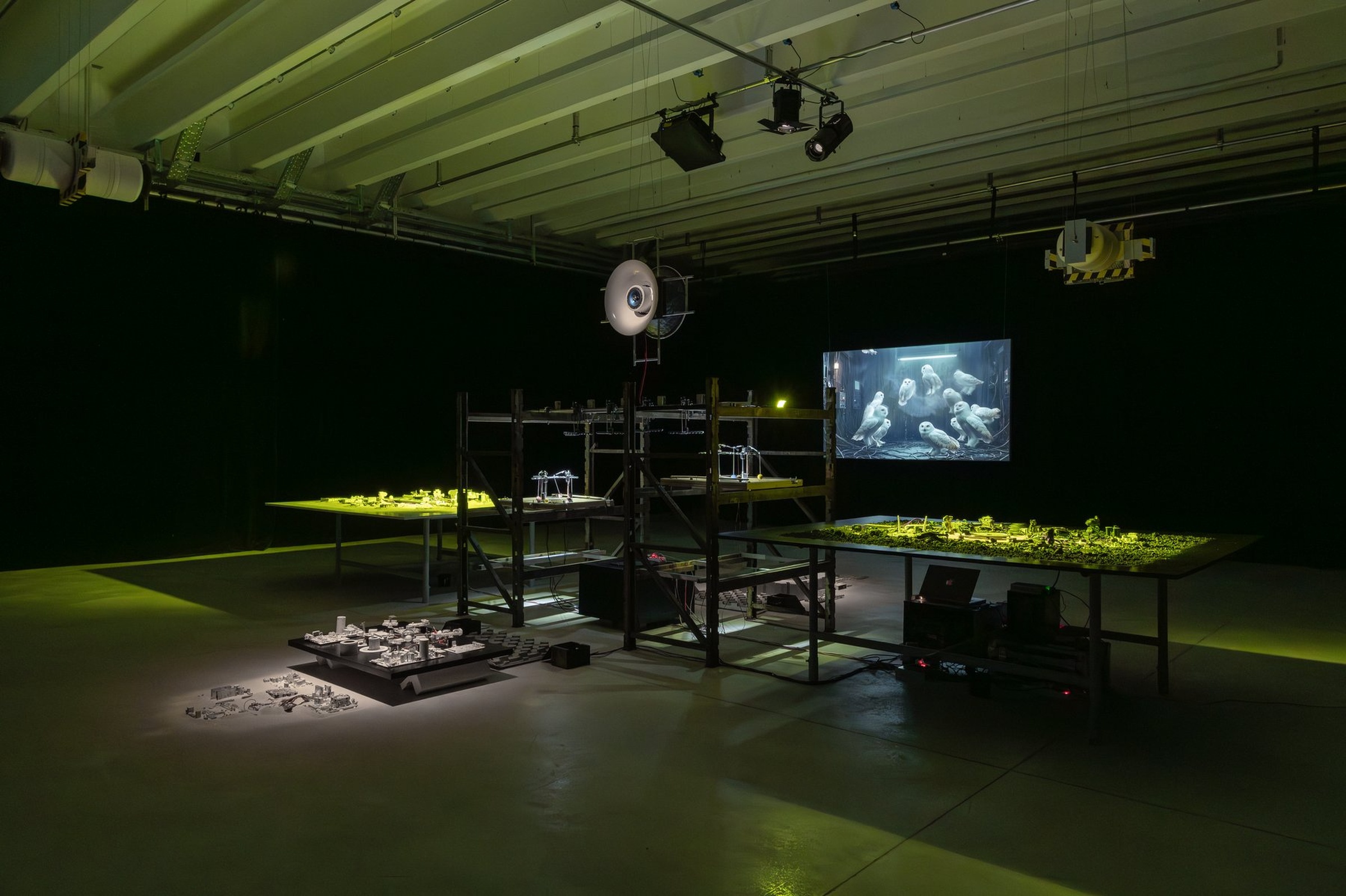
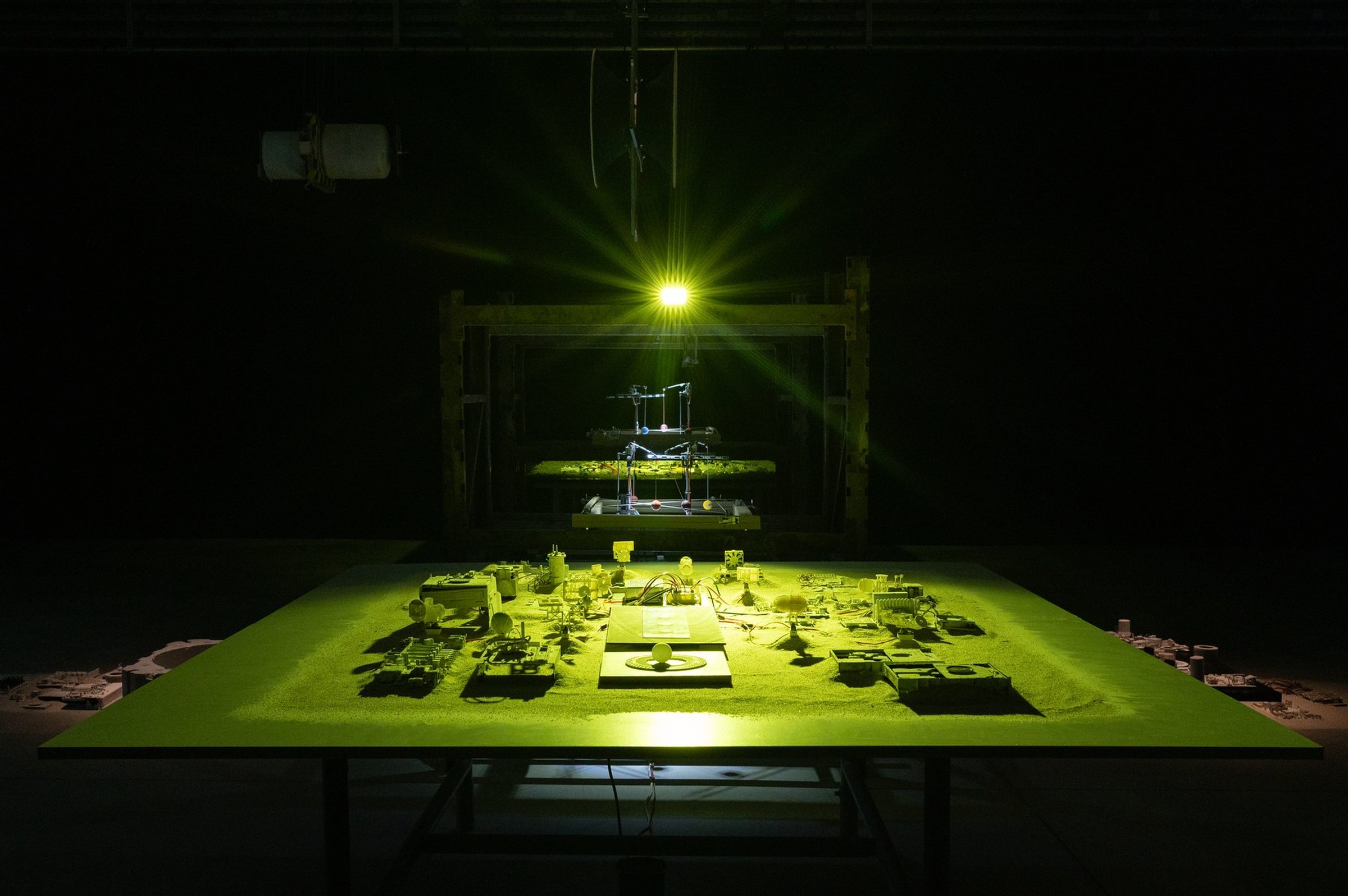
The exhibition At the Edge of Reason is a visual and acoustic representation of a futuristic dystopian landscape, which the artist Marko Batista uses to encourage the viewer to reflect on the relationship with technology in today’s society.
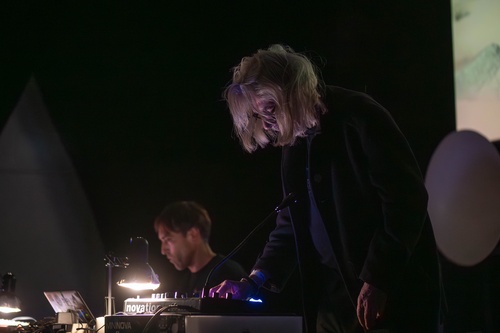
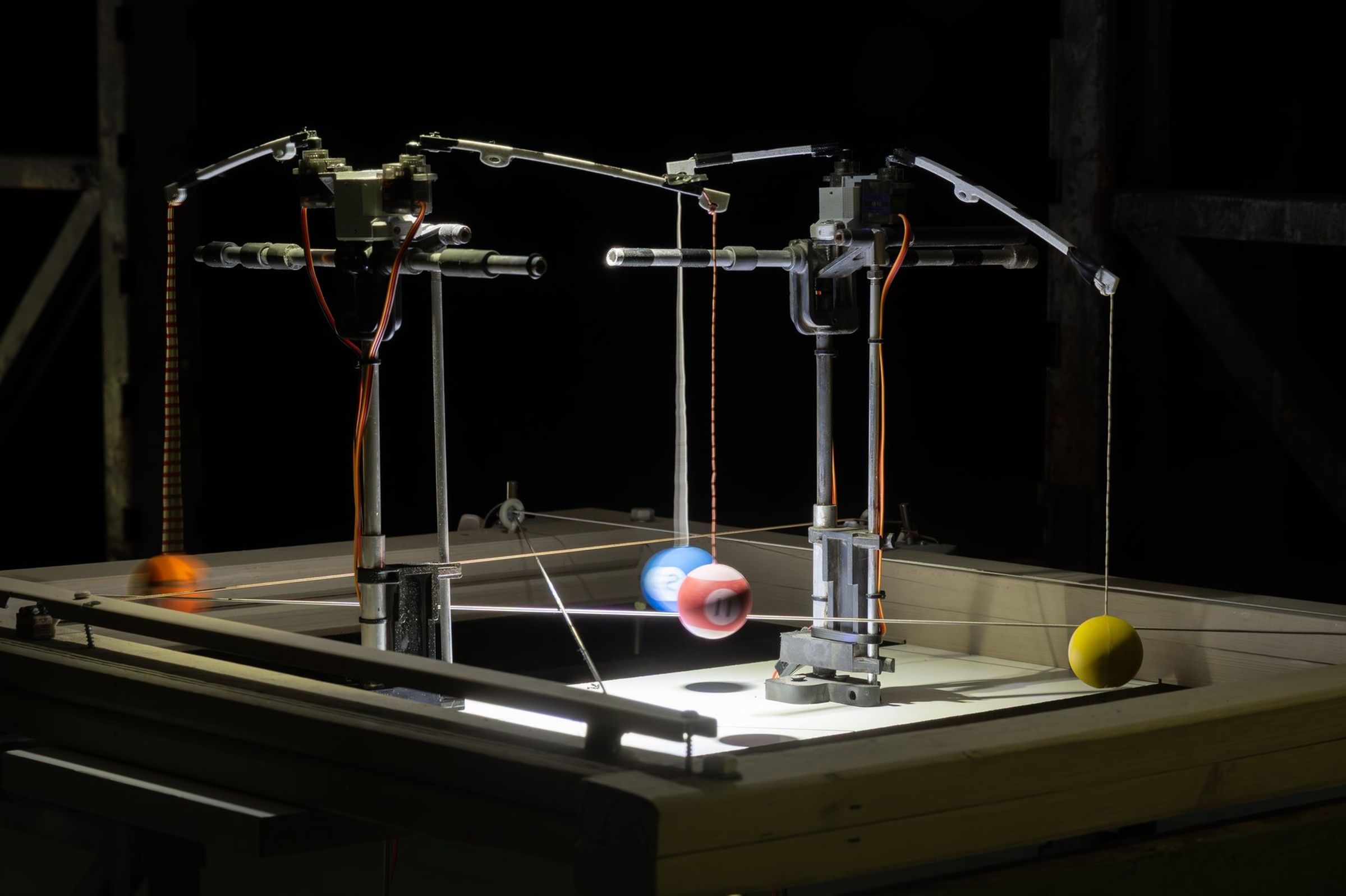
Intermedia artist Marko Batista has been developing his work at the intersection of image and sound for thirty years. Characterised by its active use of technology, his artistic practice is experimental in nature, the result of scientific processes, particularly in the fields of electronics and acoustics. In the spirit of DIY culture, his works oppose the determinism of systems and aim to construct dynamic interfaces and hardware that allow for greater flexibility in the way they work. Using this method, Batista creates his own tools for producing what he calls micro-robotic machines: the responsive systems he uses to explore the phenomenology of sound and the perception of it.
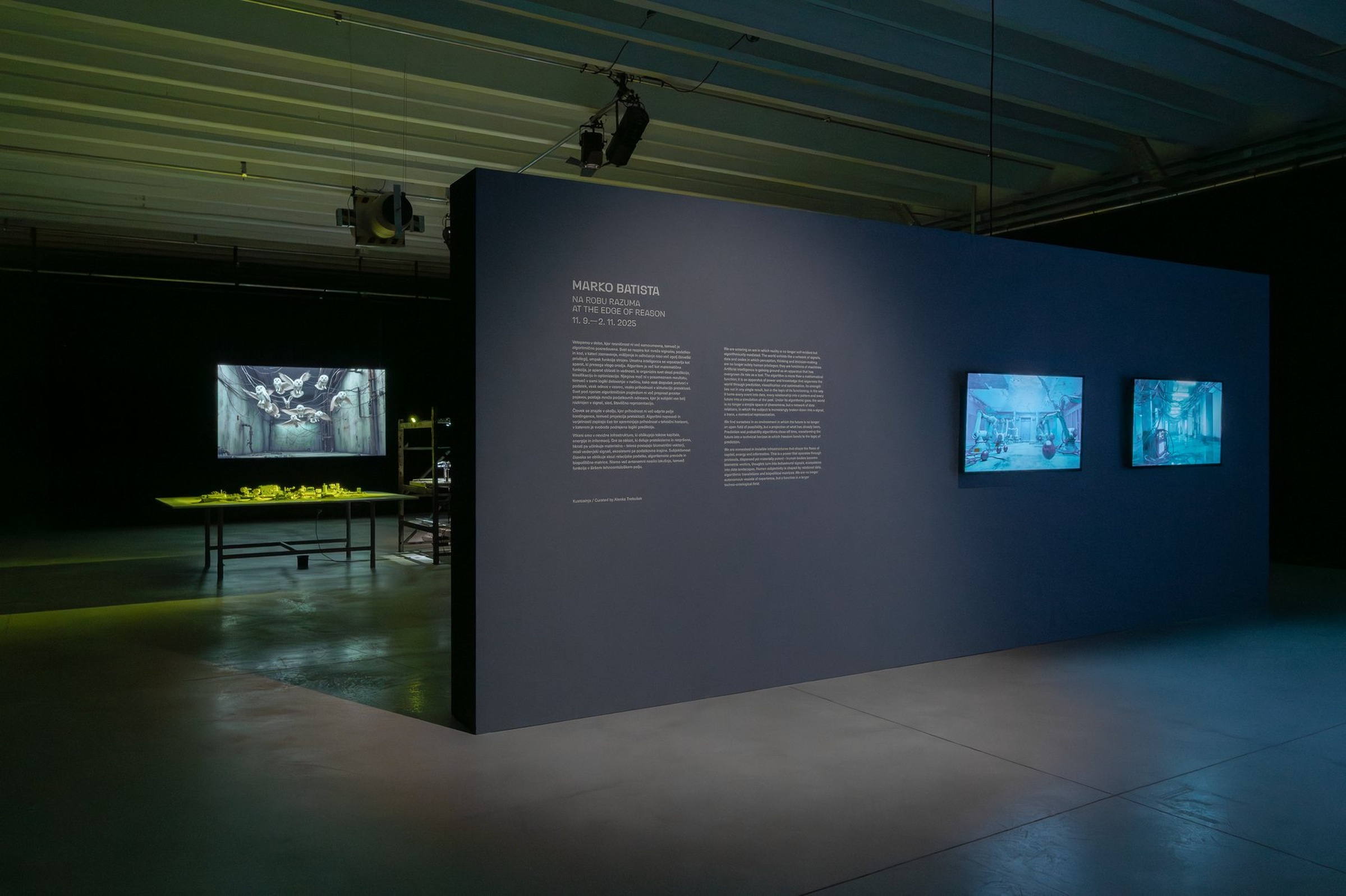
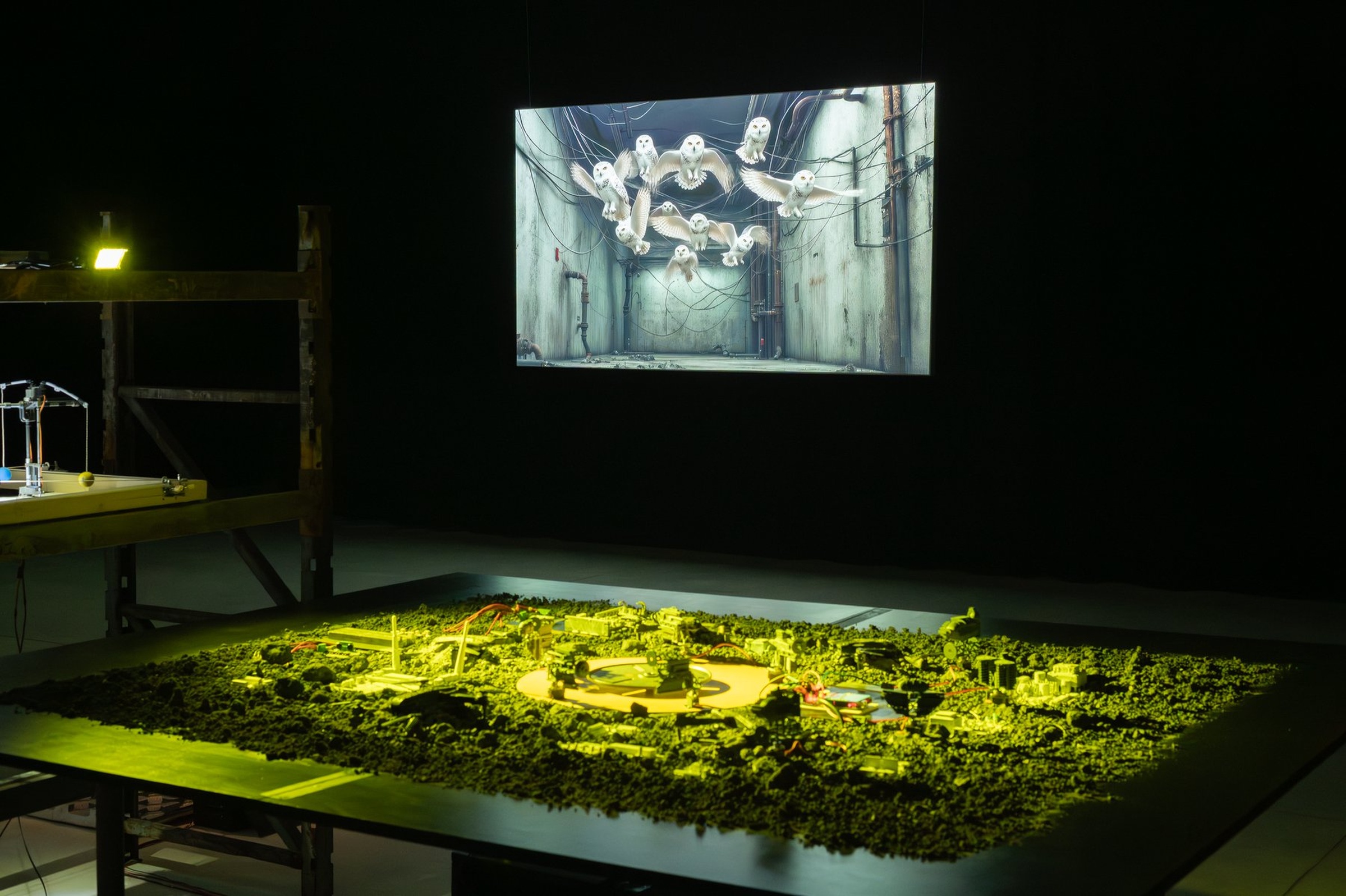
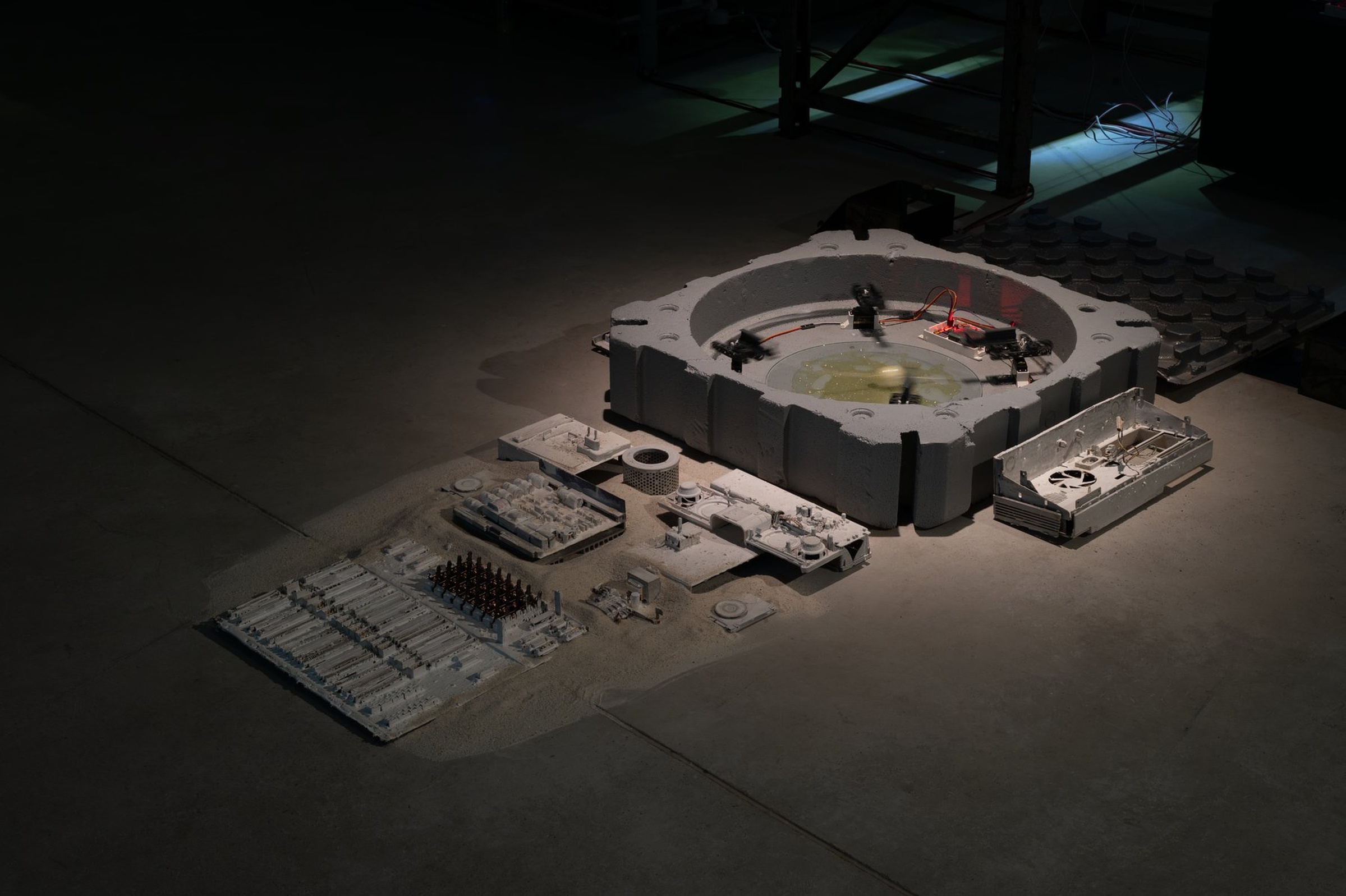
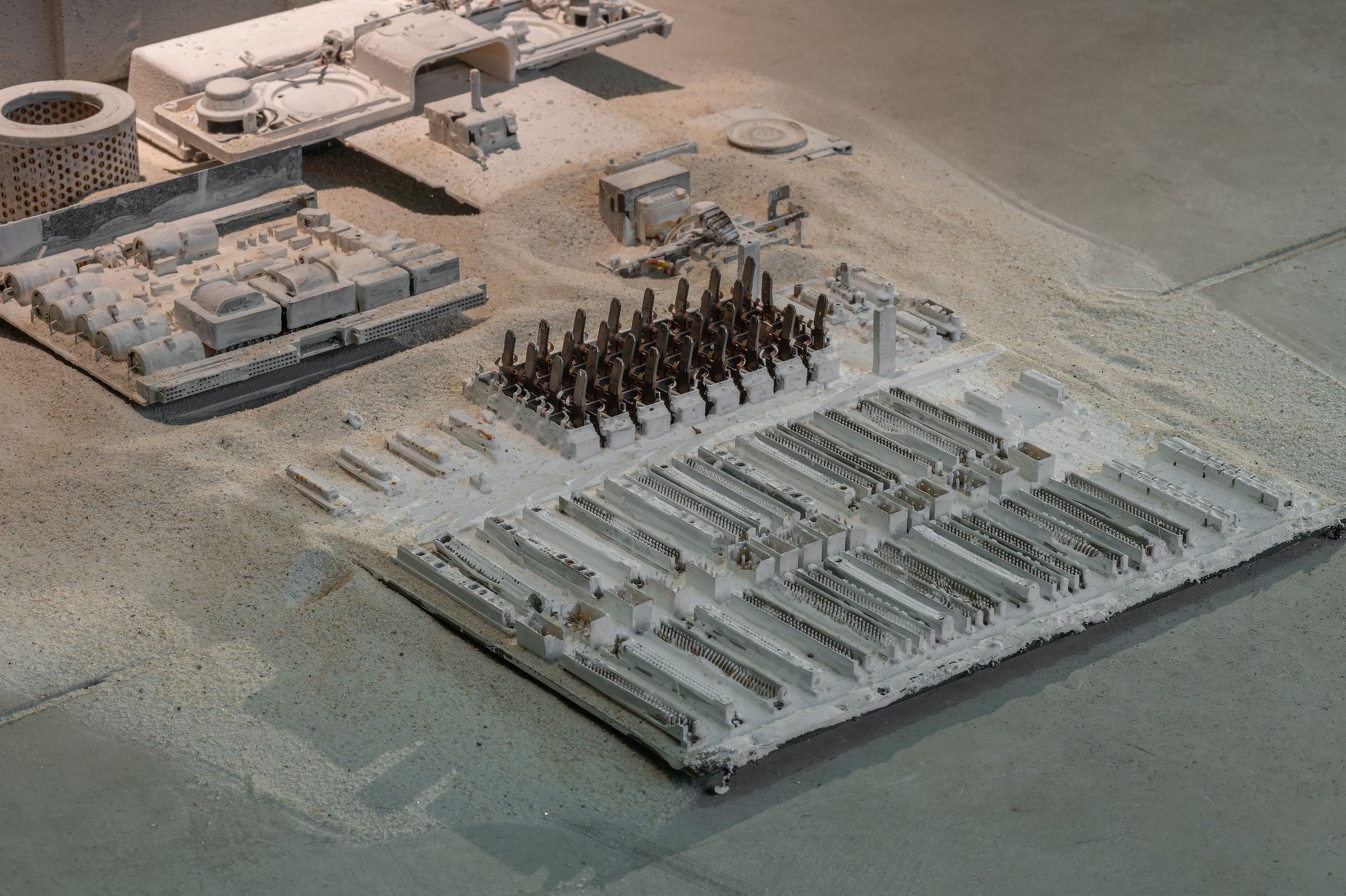
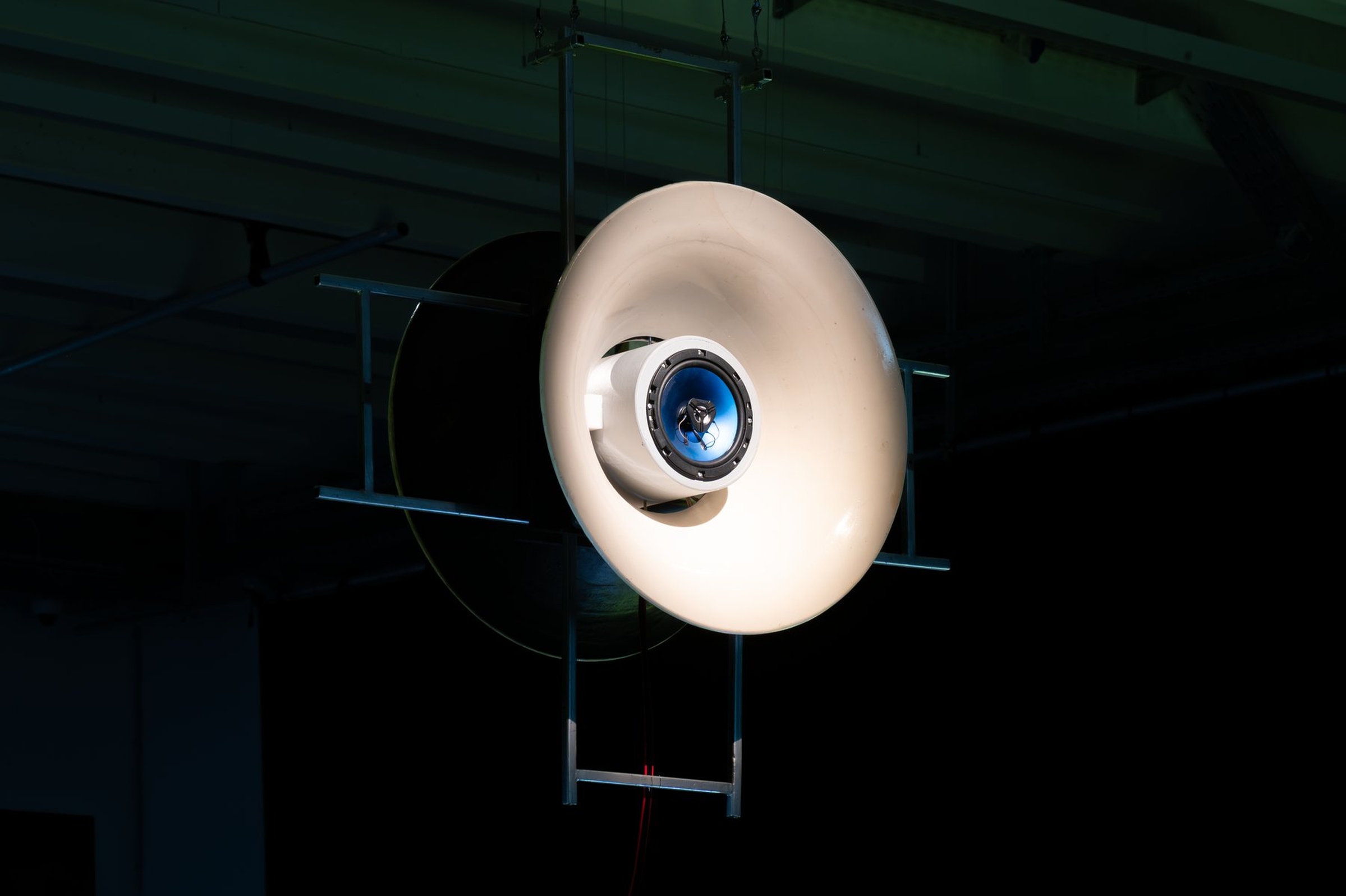
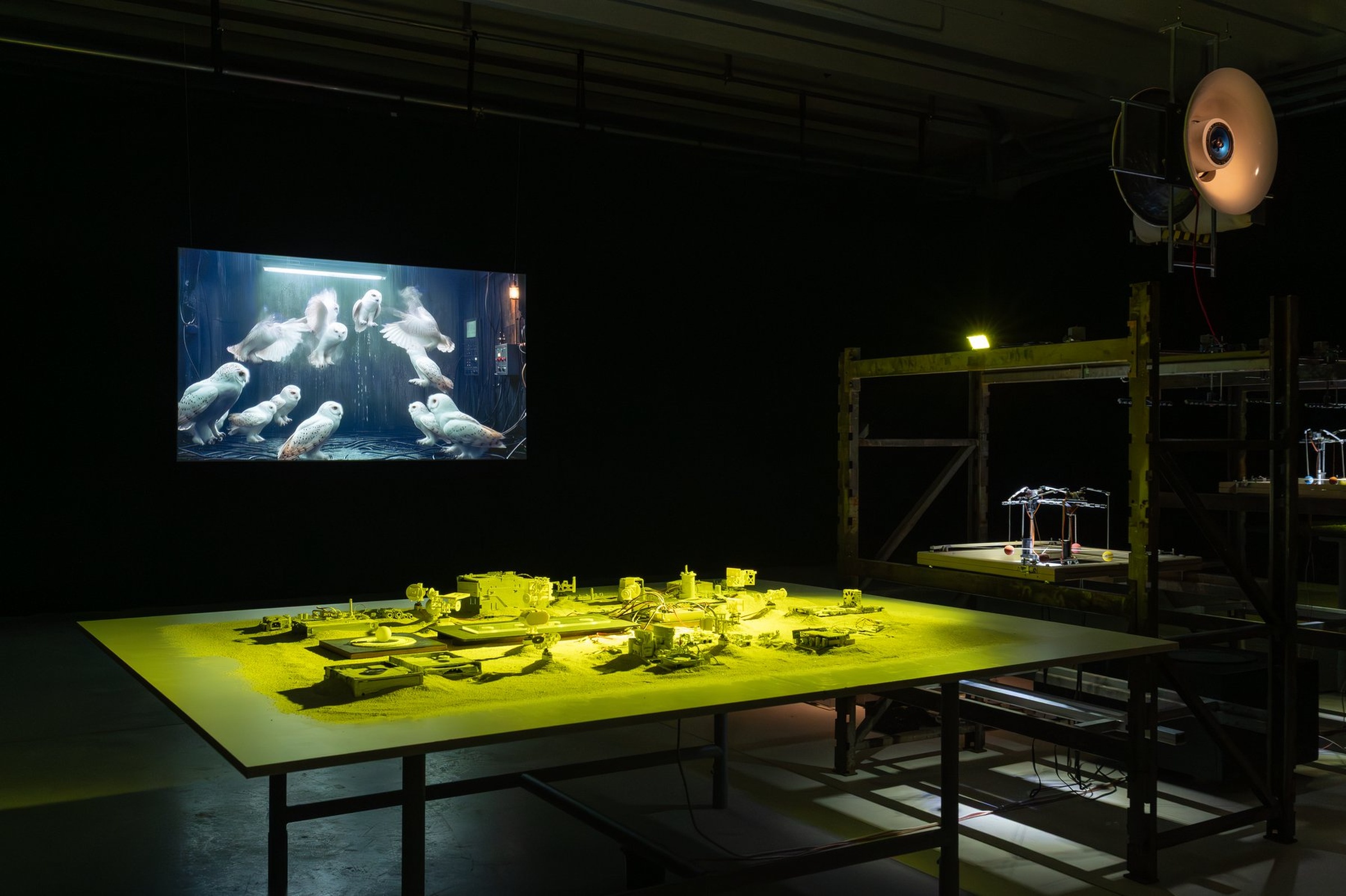
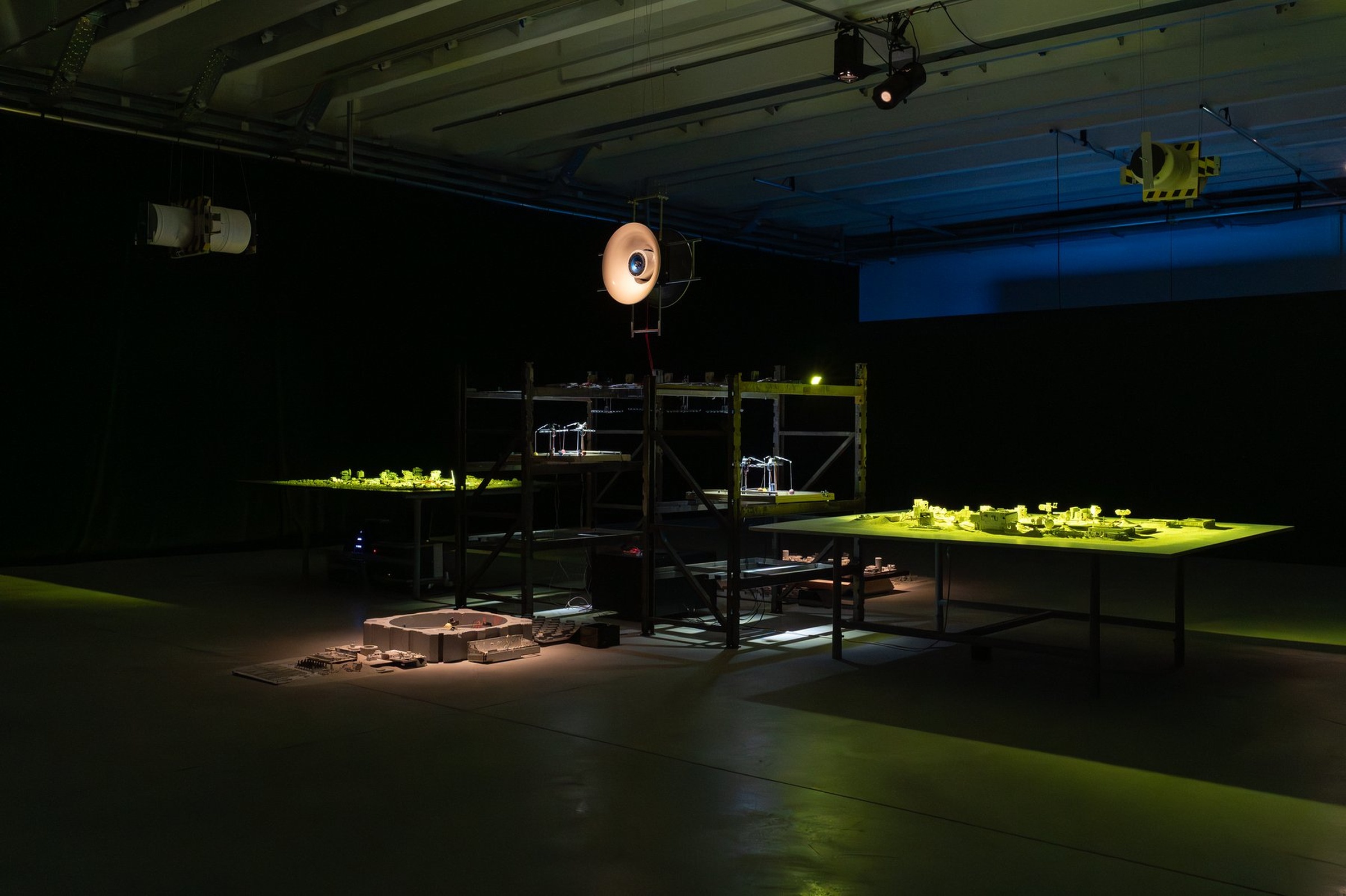
Sound is therefore invariably present in Batista's work. It is a medium that he constantly transforms, reshaping it to different configurations and contexts, whether in performances, installations or objects. His installation for Cukrarna is a diverse, immersive environment consisting of electronic components, sound-emitting bodies and both obsolete and still functioning technical devices, which are combined with nearly forty electric motors and connected to form a functioning whole. At the Edge of Reason is a visual and acoustic representation of a futuristic dystopian landscape, which the artist uses to encourage the viewer to reflect on the relationship with technology in today’s society. Its dynamics are a metaphor for the unstable nature of this relationship, which is in a constant state of negotiation and redefinition and goes hand in hand with technological progress. In this sound sculpture, Batista highlights one of the key aspects of artificial intelligence: its ability to predict the future based on the past. This kind of logic leads to a form of determinism, a fundamental contraction of possibilities, as the future becomes a project based on pattern recognition rather than a space for freedom, chance, potential or disruption.
Just as technology itself involves both active and passive processes, Batista’s installation, too, is defined by the relationship between static and dynamic structures: on the one hand, there are elements from the early 2000s, and on the other, electronic devices that are still in use today. By connecting and mechanically animating both the static and the dynamic, the abovementioned motors trigger an overabundance of processes and can be read as a reference to modern technology, which controls a multitude of processes and is no longer just a tool for task automation but also an apparatus that increasingly influences the ways in which we perceive, act and subjectivise. Importantly, Batista designs some of his systems primarily for performances in which he triggers their sonic qualities at intervals, dramaturgically interweaving and directing them. However, since technology is becoming increasingly self-controlling and self-sustaining, the sound installation system also works without the artist being present.
Batista is a sound architect who designs the listening point in relation to the position of the loudspeaker – or rather, the listening points, since he creates his soundscape using differently oriented sound sources that encourage the viewer to move, circulate and listen within the spatial layout of his installation. He breaks the sound down further into different levels and layers, ranging from pre-recorded material to the vibration frequencies and resonances that are triggered when the surfaces and materials are activated. In this way, At the Edge of Reason embodies the elusive mutability of the relationship between technology, production and society, and encourages reflection on this time of transition to a new era that is being ushered in by artificial intelligence.
Curated by: Alenka Trebušak
Opening hours
From Tuesday to Sunday, between 10 a.m. and 7 p.m.
Tickets
Adults: 3 €
Students, retirees, visitors with disabilities: 2 €
Family ticket: 8 €
Free admission: Admission free for children 7 and under, companions of persons with disabilities, tourist guides, ICOM, PRESS, Ljubljana Card, students of Academy of Fine Arts and Design, Academy of Theatre, Radio, Film and Television, School of Arts UG, Art Pedagogy PEF, Department of Art History, AVA, Faculty of Natural Sciences and Engineering and students of Secondary School of Design and Photography
Press kit
EXHIBITION CATALOGUE
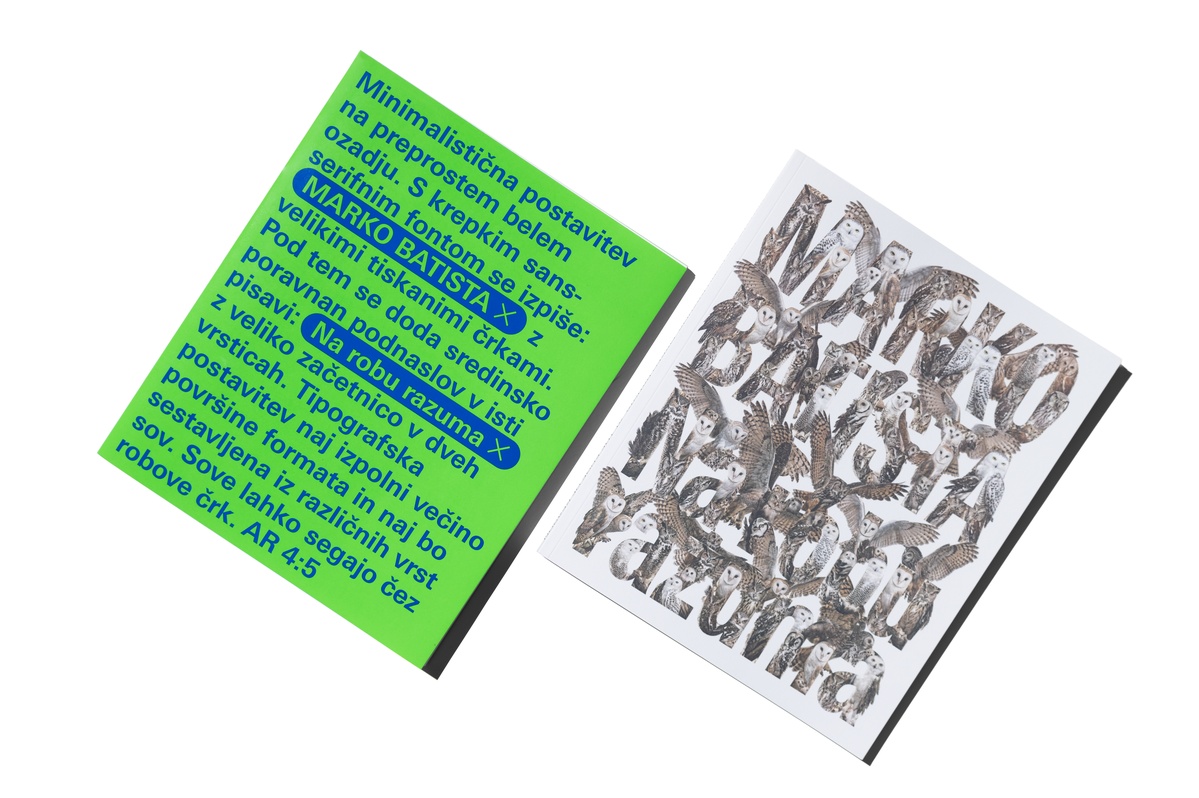
The exhibition catalogue includes an essay by Jasmina Založnik, in which the author highlights the key characteristics of Batista's artistic practice and situates the installation At the Edge of Reason within the broader context of his oeuvre. It also features a conversation between the curator, Alenka Trebušak, and the artist. The texts are complemented by installation photographs and photographic documentation of selected earlier projects, offering a broader insight into Batista’s artistic practice. Available at the Cukrarna Gallery's reception desk or in the >>online shop.